
Key Takeaways
- Augmented Reality (AR) enables shoppers to interact with products and receive digital content in-store.
- Sustainability is now central to displaying solutions, supporting both brand image and environmental goals.
- Minimalist and color-focused displays drive traffic by reducing visual clutter and sharpening focus.
- Flexible and modular displays allow grocers to easily adapt layouts to seasonal trends or shopper flow.
- Customized displays for specialty and premium items cater to evolving dietary preferences and lifestyles.
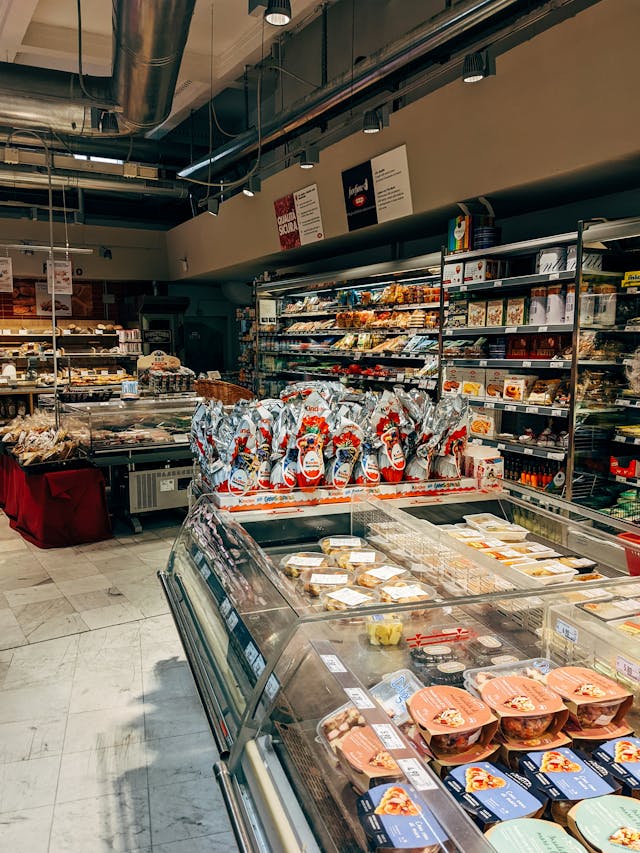
In today’s fast-paced grocery retail world, food display techniques are evolving at breakneck speed. Modern advancements are fundamentally altering the way grocers present products, aiming to boost customer engagement, make optimal use of space, and promote eco-conscious values. Whether it’s elevating the sensory experience or providing practical solutions, every detail matters, including the implementation of hot food displays that attract and meet shoppers’ convenience needs right at the point of sale. Retailers are also harnessing technology and design elements to transform the typical store visit into a memorable, value-driven journey.
The newest approaches in food merchandising reflect not just aesthetic improvements but also a commitment to efficiency and environmental responsibility. As grocers race to adopt these trends, shoppers are experiencing easier navigation, clearer messaging, and a stronger connection to brand values. Even with rapid advances, the focus remains on facilitating a seamless, informative, and delightful shopping experience for every customer.
Retail experts report that these trends are helping stores set themselves apart, attracting not only new but also repeat shoppers by creating fresh and functional spaces. This is particularly relevant given the growing demand for health-conscious, sustainably packaged products as key selling points in today’s market. These innovations don’t just represent fleeting fads; they showcase a fundamental shift in how success in grocery retail is defined.
Not surprisingly, industry leaders are continuously looking to global examples and expert advice on best practices. Many of the latest concepts, such as minimalist displays, AR tools, and modular refrigeration, draw inspiration from broader retail developments and consumer research, as discussed in depth by sources such as Forbes.
Augmented Reality Enhancements
AR technology is fast becoming a staple in modern grocery stores, transforming shopping into an immersive, interactive experience. Customers can use their smartphones to scan food items to instantly access product origins, nutritional details, or meal suggestions. Industry projections estimate that by 2025, most major grocers will deploy AR tools to improve how shoppers engage with foods and uncover new uses for everyday products. This future-focused approach not only makes selection easier and more informative but also encourages higher satisfaction and basket size, as shoppers spend more time connecting with offerings in meaningful ways.
Sustainable Display Solutions
Eco-Friendly Packaging Alternatives
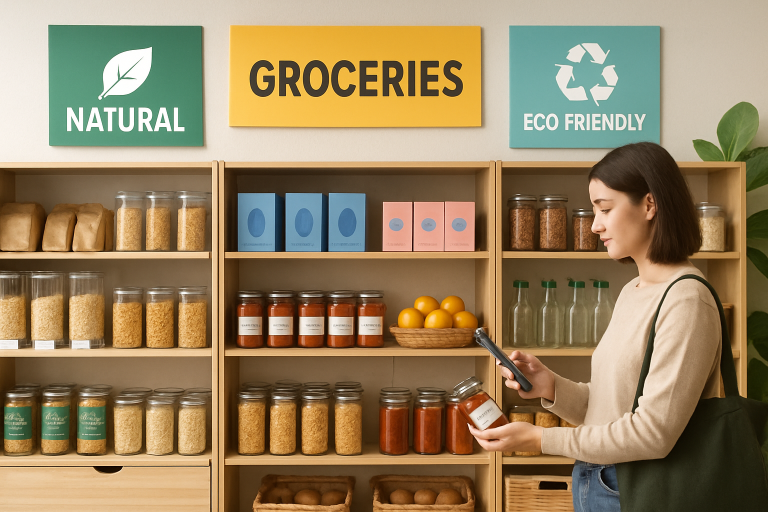
Environmental considerations are influencing the very structure and story of grocery displays. As audiences become more aware of their ecological impact, stores are setting themselves apart with recyclable, biodegradable, and reusable packaging. Not only does this reduce landfill contributions, but it also enhances brand loyalty: research shows 65% of consumers remain loyal to businesses committed to these sustainability goals. Eye-catching displays featuring clearly marked responsible packaging speak directly to these values, supporting corporate commitments and shopper preferences alike.
Zero-Waste Display Concepts
The zero-waste movement is gaining ground in grocery retail, with stores dedicating sections for customers to refill staples like grains, spices, and even household cleaners. These models minimize one-use packaging and incentivize shoppers to bring their own containers or use store-provided reusables. As with other guiding trends, this approach not only reduces costs over time but also builds deeper customer loyalty and community ties by promoting a culture of shared environmental responsibility.
Minimalist and Color-Focused Design
Creating Impact with Simplicity
Effective food merchandising often comes down to visual clarity. Excessively cluttered shelves tend to overwhelm shoppers, while minimalist designs featuring a simple theme or limited color palette make displays pop and enhance messaging. Premium brands especially benefit from this strategy; by focusing on elegant simplicity, these products are perceived as higher value and more trustworthy, reducing shopper fatigue and prompting quick purchasing decisions.
Color Psychology in Retail
Color exerts a powerful influence on shoppers’ mood and behavior. Warm hues like red and orange are deployed to stir hunger and enthusiasm in bakery and deli sections, while cool tones lend a sense of calm and freshness to organic or health food aisles. When executed effectively, strategic color placement can amplify foot traffic to featured displays by up to 60%, underscoring its value as a retail design tool.
Modular and Flexible Display Solutions
Customizable Fridge Units for Dynamic Store Layouts
Adaptable store layouts are key in today’s competitive grocery market. Modular refrigeration and shelving systems let store managers rearrange floor plans with ease, quickly responding to trends, seasonal shifts, or unique shopper patterns. Products like linked cabinet systems offer a toolkit for creating ever-changing layouts critical for promotions, new product launches, or even piloting in-store pop-up concepts. Flexibility has become the new standard for maximizing square footage and optimizing product positioning.
Space Optimization with Multi-Functional Refrigerated Displays
Space-saving innovation is exemplified by modern refrigeration units that combine chillers and freezers into a single appliance. Perfect for smaller urban stores, these multi-use displays provide ample space for product rotation without sacrificing environmental performance; many models also use less energy, supporting sustainability goals and lowering operational costs.
Specialty and Premium Product Displays
Catering to Diverse Diet Preferences
As consumer interests widen to include vegan, gluten-free, keto, and other specialty diets, grocers are creating dedicated, custom-built sections to accommodate these varied demands. Specialty displays ensure niche customers can quickly find products that match their dietary preferences, enhancing the overall shopping experience and fostering a more inclusive retail environment. This adaptation not only bolsters sales but also helps grocers build a reputation for being responsive to evolving shopper needs and trends.
Conclusion
Food display strategies in grocery stores are entering a new era, characterized by technological integration, sustainability, flexibility, and tailored experiences. By embracing these transformative trends, retailers deliver more than just products they create meaningful, inviting spaces that reflect modern values and continually adapt to shopper expectations.
