
Table of Contents
- Introduction to Shotgun Shooting
- Understanding the Basics
- Importance of Proper Equipment
- Types of Shotguns and Their Uses
- Advanced Shooting Techniques
- Making Use of Training Simulators
- Conclusion: The Journey Towards Mastery
Introduction to Shotgun Shooting
Shotgun shooting is an exhilarating sport that requires unique skill, strategy, and precision. Whether you’re new to the sport or a seasoned shooter, mastering shotgun techniques can significantly enhance your shooting skills and overall experience. Numerous resources are available, such as Winchester Shotguns Canada, where enthusiasts can explore different options and become more informed about their choices. Understanding the various types of shotguns, techniques, and training methods is crucial for anyone aiming to excel in this field.
Understanding the Basics
Before diving into advanced techniques, one must grasp the fundamentals of shotgun shooting. This involves proper stance, grip, and eye alignment. Shooters should keep their feet shoulder-width apart, maintain a firm grip on the shotgun, and focus on the target with both eyes open. Proper footwork provides stability, while a firm grip ensures control over recoil. The concept of sight alignment is critical to achieving accuracy. The shooter’s dominant eye should look straight down the shotgun barrel when aiming. The movement should be fluid and smooth, from mounting the shotgun to pulling the trigger. This helps maintain balance and improves accuracy. Consistent practice in these basics lays the groundwork for mastering more advanced skills and achieving better precision.
Importance of Proper Equipment
Having the appropriate gear can significantly enhance your precision and ease while shooting. Investing in a high-quality shotgun that matches your physique and preferred shooting technique is crucial. Shooters frequently discuss the flexibility of a semi-automatic shotgun and the dependability of a pump-action version. Trying out various styles is essential to finding the one that suits you best in terms of comfort and ease.
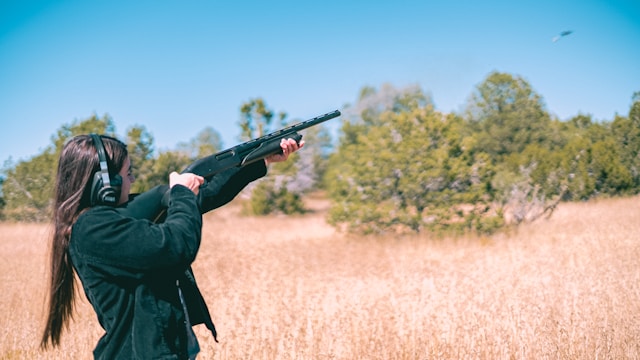
Furthermore, it is crucial to use the proper safety equipment, including goggles and earplugs, without exception. Continual exposure to loud gunfire can damage hearing, while stray pellets or debris can cause eye injuries. Invest in your long-term health and safety by purchasing top-notch protective equipment.
Types of Shotguns and Their Uses
Understanding the different types of shotguns and their specific uses is crucial for any shooter. Common varieties include pump-action, semi-automatic, and break-action shotguns. Each type has its advantages and ideal scenarios for use. For example, pump shotguns are renowned for their reliability and are excellent choices for hunting and home defense. Semi-automatic shotguns are preferred for their capability to shoot multiple rounds rapidly without requiring manual action cycling. This can significantly benefit competitive sports and hunting situations requiring quick follow-up shots. Alternatively, break-action shotguns are frequently utilized in competitive competitions because of their straightforwardness and user-friendliness. Quickly and efficiently reloading is essential in competitive events like tournaments. Knowing each type’s strengths and ideal applications helps shooters make informed decisions about the best shotgun to suit their specific needs, whether for sport, hunting, or home defense.
Advanced Shooting Techniques
Once the basics are mastered, aspiring shooters can advance to more sophisticated techniques. It includes learning the art of lead, which involves aiming ahead of a moving target to account for the time it takes for the shot to reach the target. This is particularly important in clay pigeon shooting and bird hunting, where targets are often in motion. Another critical skill is understanding choke selection, which modifies the spread of shot pellets. Different chokes are used depending on the range and type of target. For example, a full choke provides a tight spread and is ideal for long-range shots, while a cylinder choke offers a wide spread suitable for close-range targets. Perfecting your follow-through is equally essential. It means maintaining your aim on the target even after the shot is fired to ensure accuracy. Follow-through prevents jerking the shotgun and allows for more precise shots. Consistent practice with these techniques significantly improves shooting accuracy and efficiency.
Making Use of Training Simulators
Training simulators are an excellent way to practice shooting without requiring live ammunition. These simulators can replicate various scenarios, allowing shooters to hone their skills safely. Simulators are particularly useful for beginners aiming to build confidence and experienced shooters looking to refine their techniques. Simulators offer various training modules, including target shooting, hunting simulations, and tactical scenarios. This versatility makes them an invaluable tool for continuous improvement. They also provide immediate feedback on performance, enabling shooters to adjust their techniques and improve progressively.
Conclusion: The Journey Towards Mastery
Enhancing your shotgun shooting abilities requires commitment, regular practice, and the appropriate expertise. Every stage moves you towards outstanding expertise, from grasping the fundamentals to excelling in complex skills. Remember that the pleasure of shooting shotguns is found not only in hitting the target but also in the self-improvement and fulfillment it provides.
